Insights
Practical notes on SEO updates, AEO and GEO, AI search, design, and experiments from real project work.
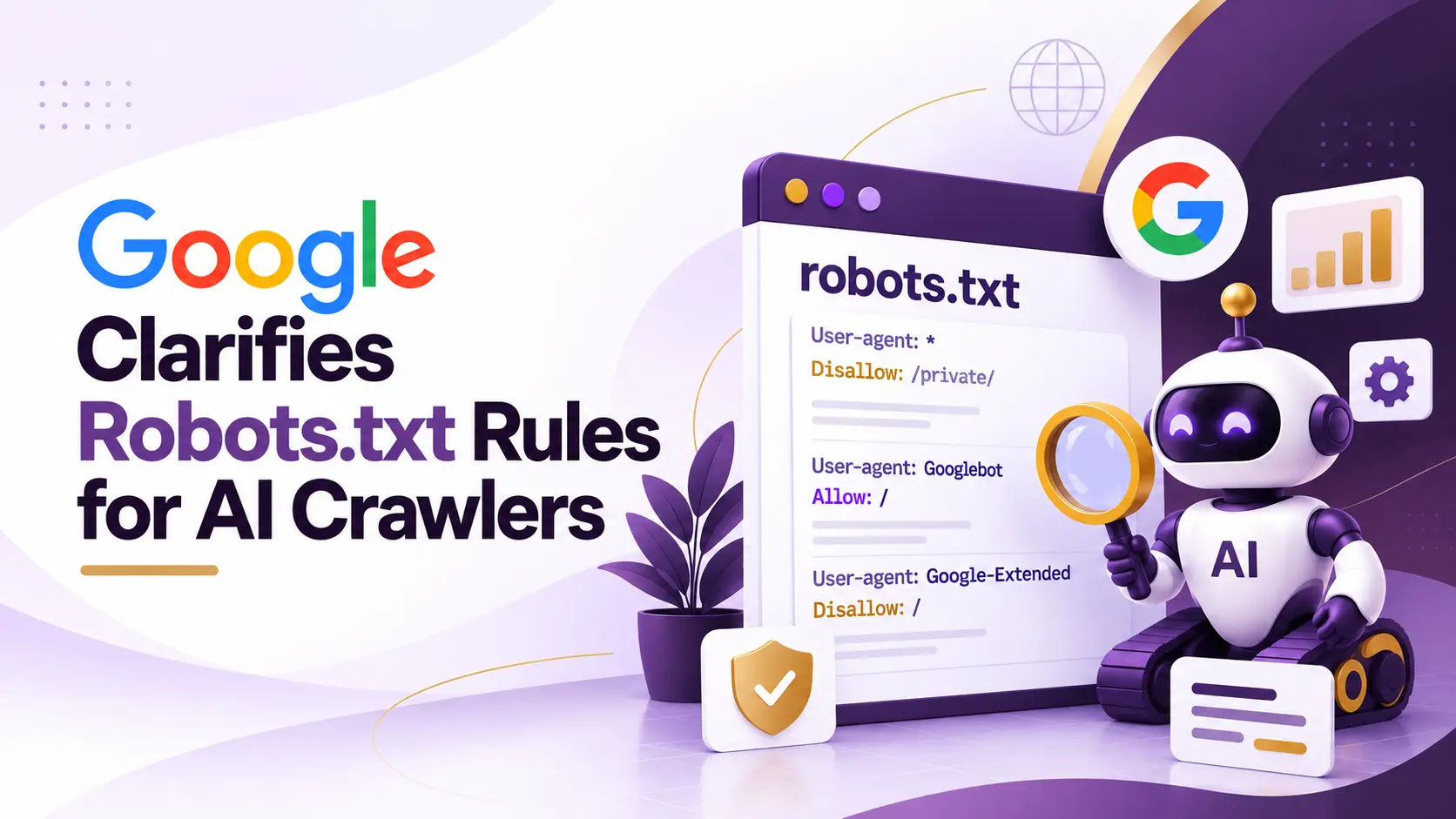
Google clarifies that robots.txt controls crawler access, not how content is used after collection. Website owners can use Google-Extended to manage certain AI-related content usage, while a proposed IETF directive aims to improve communication of AI content preferences.
SEO
Fresh perspective from active project work — not recycled theory.
Understand how Google Search works through three key stages: crawling, indexing, and ranking. Learn why people-first content, search intent, and proper SEO optimization matter for improving your website's visibility.
E-E-A-T stands for Experience, Expertise, Authoritativeness, and Trustworthiness. This blog explains how these principles help businesses create credible, useful, and people-first content for Google Search. It covers practical ways to demonstrate real experience, establish expertise, build topical authority, and improve trust through transparent and reliable information.
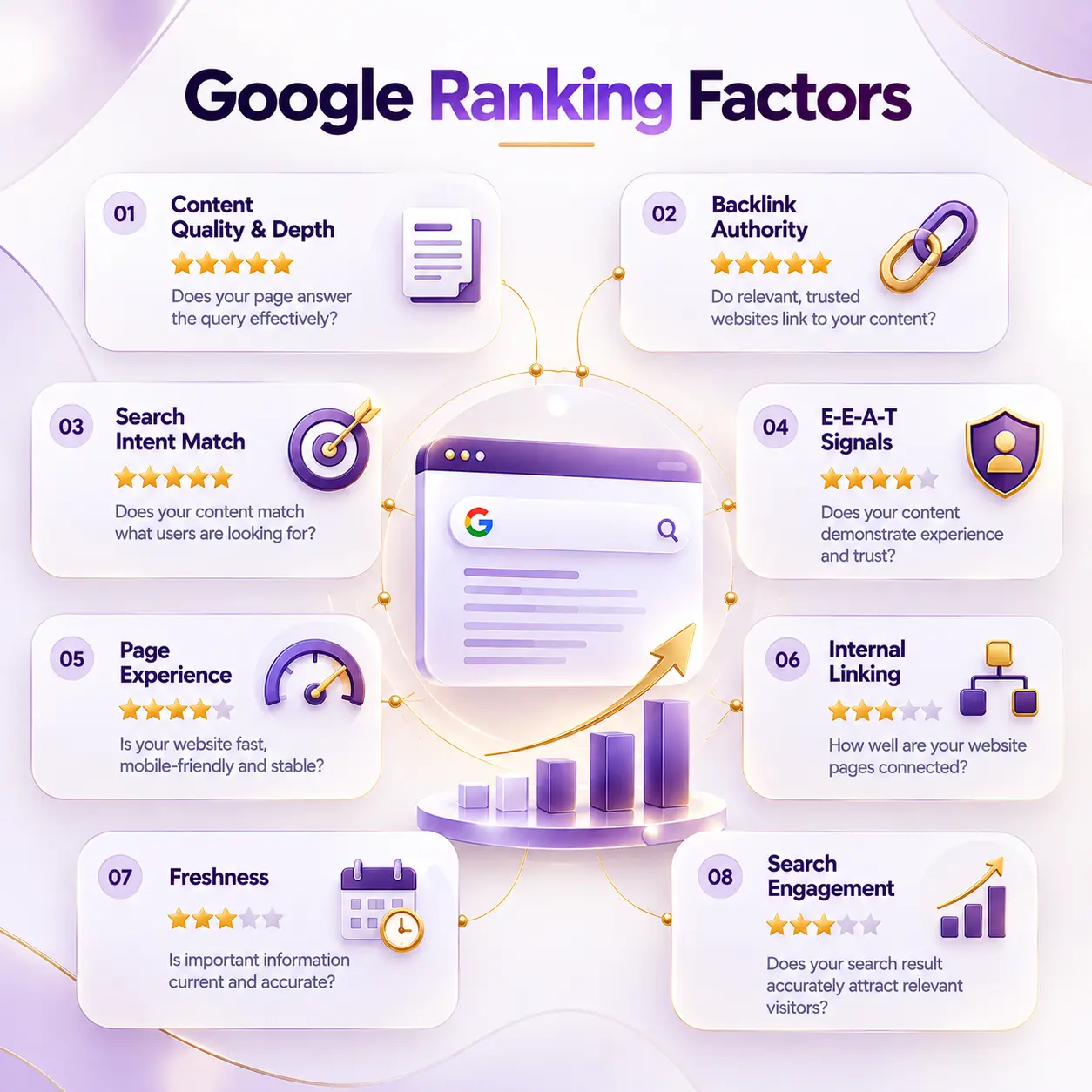
Google SEO in 2026 focuses on more than keywords. This guide covers the key ranking factors, including content quality, search intent, backlinks, E-E-A-T, technical SEO, internal linking, freshness and user experience.
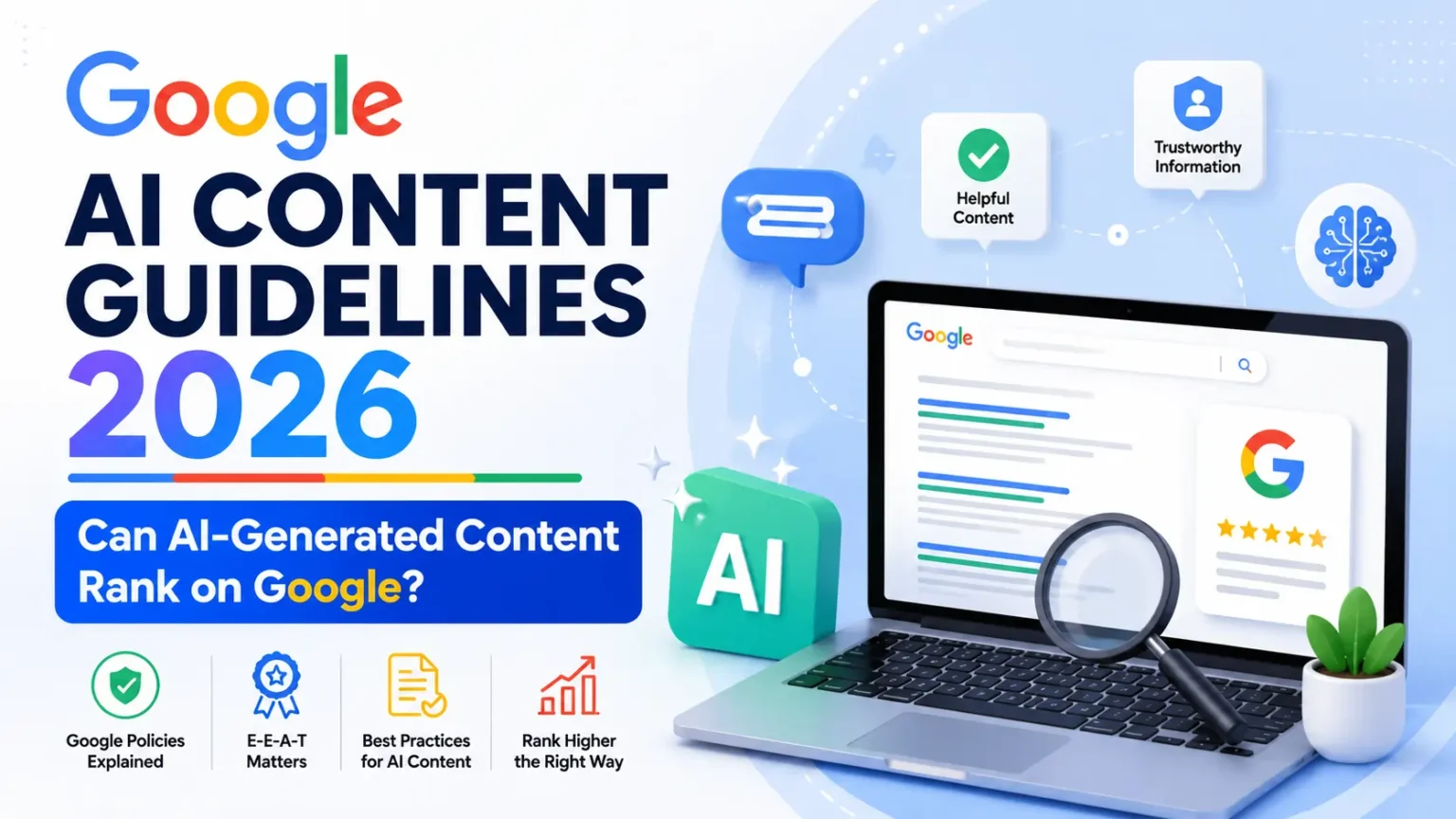
Quick Notes: Google’s AI Content Policy at a Glance Google does not ban AI-generated content. AI content can rank well if it provides value to users. Low-quality, mass-produced AI content may violate Google’s spam policies. Google prioritizes helpful, accurate, original, and…
Want these insights applied to your website? Let's talk strategy.